OSP’s maiden YAC Summit draws hundreds as young people, public figures rally behind integrity
Accra | 26 Nov. 2026
An oversubscribed gathering, an overflow audience and a live social media broadcast marked the first Youth Against Corruption Summit, bringing together students, public figures and anti-corruption advocates.
The Office of the Special Prosecutor’s (OSP) maiden Youth Against Corruption (YAC) Summit has drawn a strong response from young people, with attendance exceeding expectations and an overflow audience underscoring the level of interest in the event.
Held under the theme “Building a Generation of Ethical Leaders”, the summit brought together more than 500 participants across the country, including students, youth leaders, civil society representatives, public officials, legal practitioners and professionals. The event was also broadcast live on social media, extending the conversation beyond the venue to a wider audience.
Among those who joined the gathering were celebrated musician Stonebwoy and actor Adjetey Anang, whose presence added to the public interest in the summit and its message: that the fight against corruption must begin with the choices people make in their everyday lives.

Welcoming participants to the summit, the host, Special Prosecutor Kissi Agyebeng, urged young people to build a culture of integrity by rejecting dishonest practices before they become part of everyday life.
He challenged them to say no to examination malpractice, vote-buying, bribery and the pursuit of success through shortcuts.
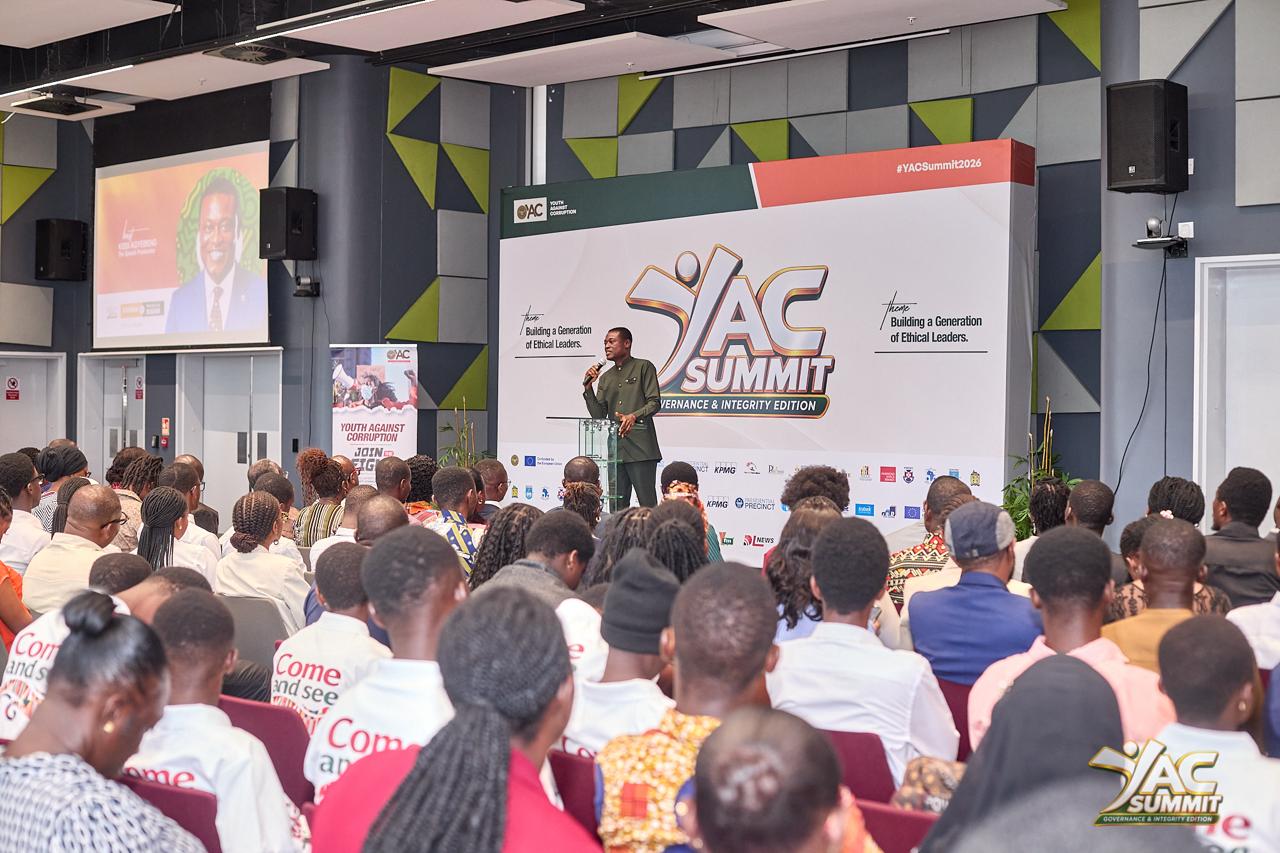
“What we prevent does not have to be investigated; what we stop from taking root does not have to be prosecuted,” he said.
He said the message reflected the OSP’s emphasis on preventing corruption before it occurs, while reminding participants that the choices they make as students, professionals and citizens can help shape the integrity of the country’s institutions.
Samuel Appiah Darko, Director of the OSP’s Strategy, Research and Communications Division and the officer in charge of the Youth Against Corruption (YAC) initiative, said the fight against corruption should not be left to politicians, public officials and law enforcement agencies.

He said it also depended on the everyday choices people made in their homes, schools, workplaces and communities. Through YAC, the OSP seeks to engage young people on these responsibilities and encourage them to make integrity part of their daily lives.
In a solidarity message, Dr Kojo Pumpuni Asante called for high personal standards and independent institutions that uphold integrity. He said lasting progress required institutions that reward honest conduct and make corruption costly.
The keynote address was delivered by Edem Senanu, Board Chair of the African Union Advisory Board Against Corruption, on the topic “Leadership Without Compromise: Thriving in Systems Under Pressure”.
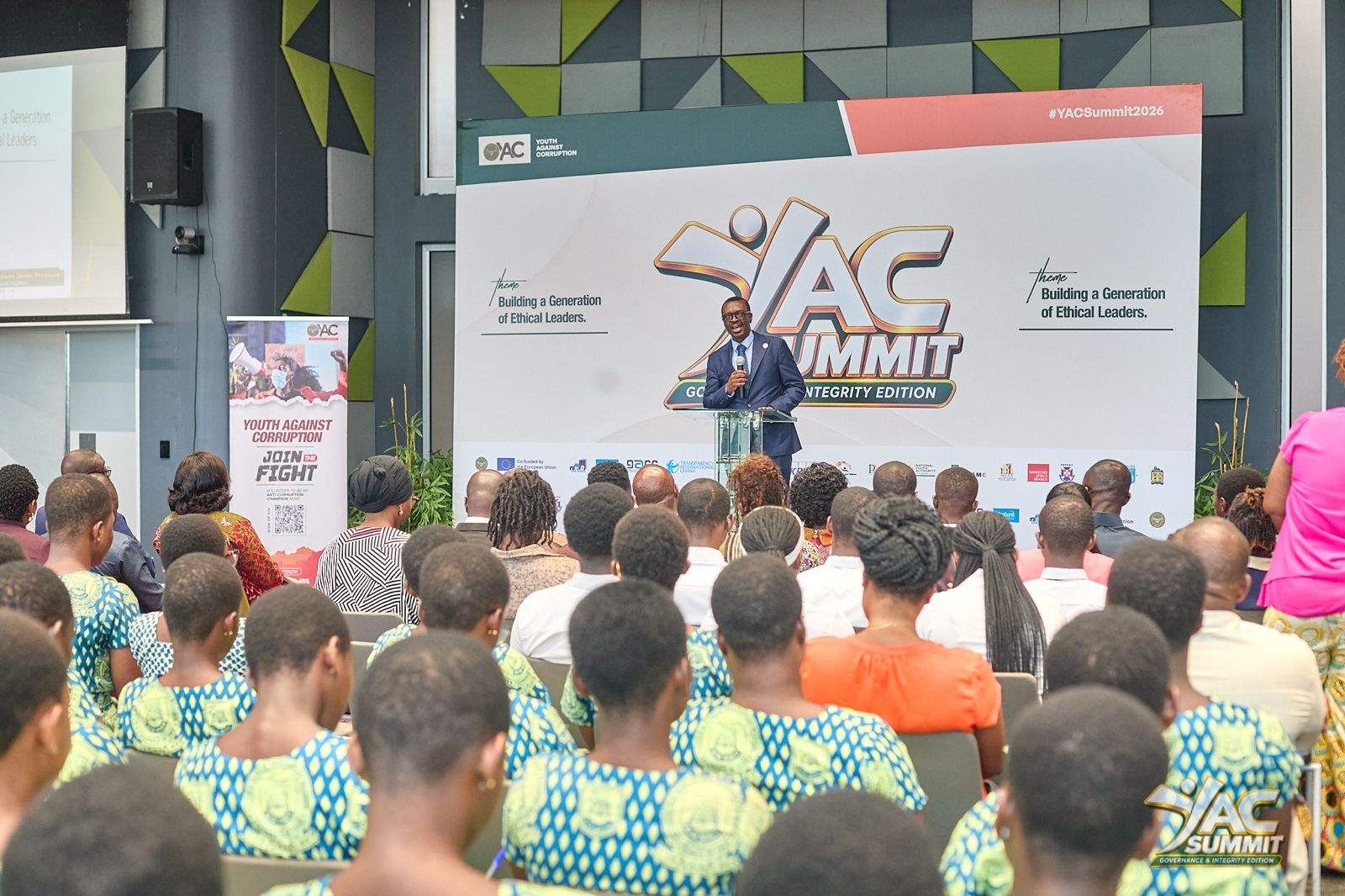
He spoke about the pressures that can test a person’s principles, whether they come from superiors, colleagues or personal ambition. Referring to Article 41 of Ghana’s 1992 Constitution, he urged participants to recognise their responsibility to protect and uphold the country’s laws.
“Every system that was ever changed was changed because people decided and refused to accept that that system cannot change,” he said.
His address challenged young people not to treat misconduct as inevitable simply because it is common or because those around them have accepted it.
Prof. Francis Dodoo, Presidential Advisor on the National Anti-Corruption Programme, also urged participants to move beyond expressing frustration about corruption and take practical steps to demand accountability.

He called for a whole-of-government and whole-of-nation approach, stressing that tackling corruption required the involvement of citizens and institutions at every level.
“Do not just be angry about corruption; be active against it. Do not just complain about bad leadership; demand accountable leadership,” he noted.
The summit also brought the conversation into the worlds of entertainment, professional life and public influence.
Actor Adjetey Anang encouraged young people to resist shortcuts and build their careers on character as well as professional ability. He urged them not to sacrifice their values in pursuit of recognition or success.
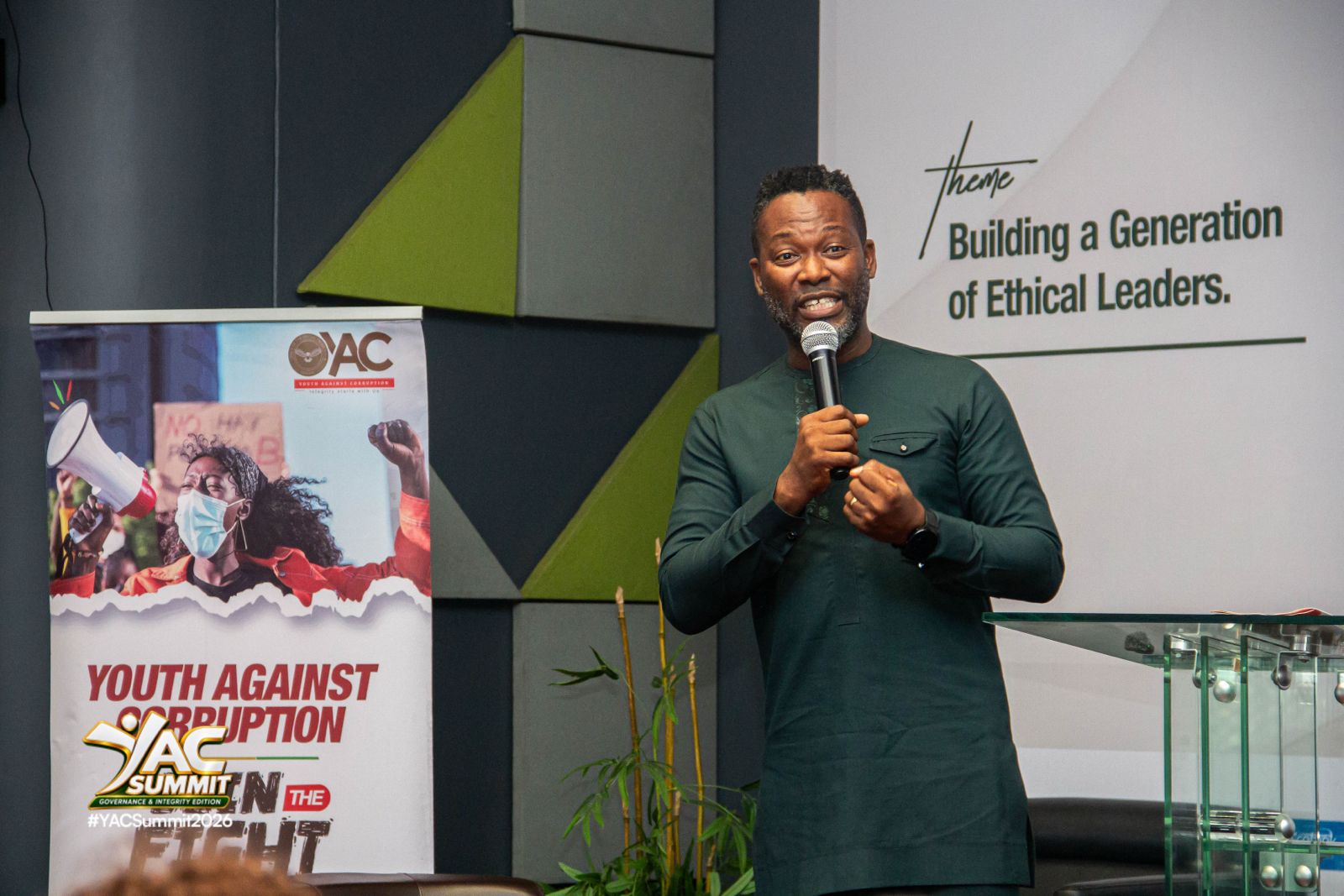
Musician Stonebwoy called on participants to speak up against wrongdoing and use their platforms, including social media, to promote positive values. He reminded young people that influence came with responsibility and could be used to encourage change.

Beyond the keynote speeches, three panel discussions examined the challenges of practising integrity in different settings. They focused on integrity in schools, accountability in youth leadership, and the relationship between financial success, influence and character.
High Court Judge Justice Afia Owusuaa Appiah, speaking on “Justice Begins With Integrity: What the Law Expects of Young Leaders”, reminded participants that fairness and accountability were not reserved for people in positions of authority.
“You do not need to become a judge to practise fairness; you do not need to occupy public office to demonstrate accountability,” she said.
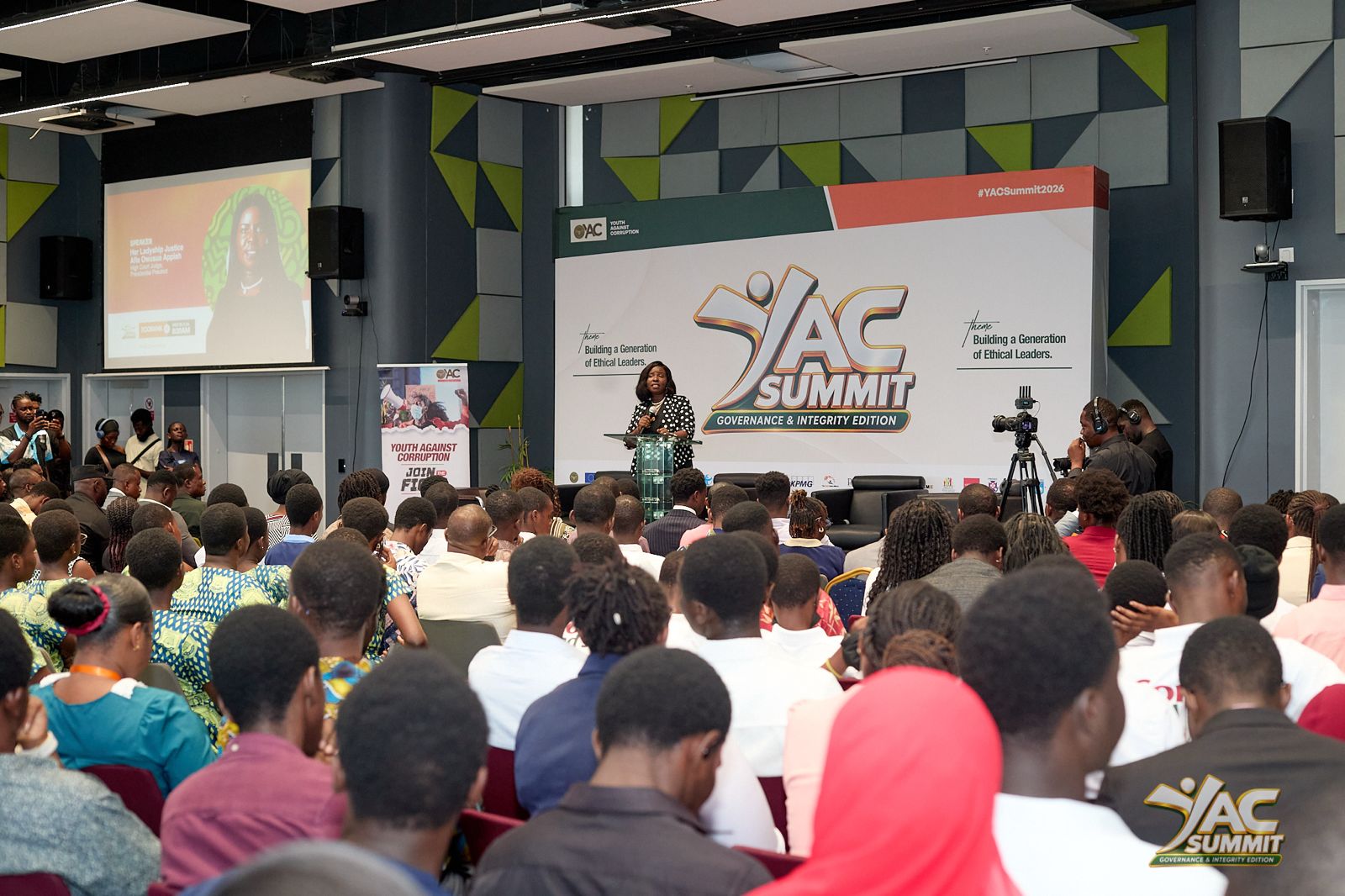
Her remarks brought the summit’s central message into sharper focus: integrity is not something people acquire only after entering public life. It is formed through the decisions they make long before they hold positions of responsibility.
The turnout at the maiden summit gives the OSP’s Youth Against Corruption initiative a strong platform for further engagement with young people. But the longer-term test will be whether the interest generated at the event carries into schools, universities, workplaces and online communities.

For the OSP, the summit was a chance to take the anti-corruption message beyond formal enforcement and place it in the hands of a generation whose choices will shape the country’s future. The message from the gathering was clear: the demand for integrity should not begin when people assume public office. It should begin now, in the decisions they make every day.